On May 22, 2026, China’s State Council published new guidelines aimed at providing equal public services to all residents based on where they live rather than where they are officially registered.
This step expands access to healthcare and schools for employees working in or relocating to cities outside their place of birth, where obtaining a hukou has been difficult.
Hukou is the official household registration in mainland China. for its citizens. Established in the 1950s to prevent urban slums and preserve rural migrants’ ties to the land, it made domestic relocation much more challenging. Registration is usually determined by the city of birth or by registration at the place of work or residence, and it provides access to that city’s public services, including healthcare, education, and housing support. Workers who migrated or were relocated faced steep challenges in obtaining hukou in the new city, especially in highly desirable locations such as Shanghai and Beijing.
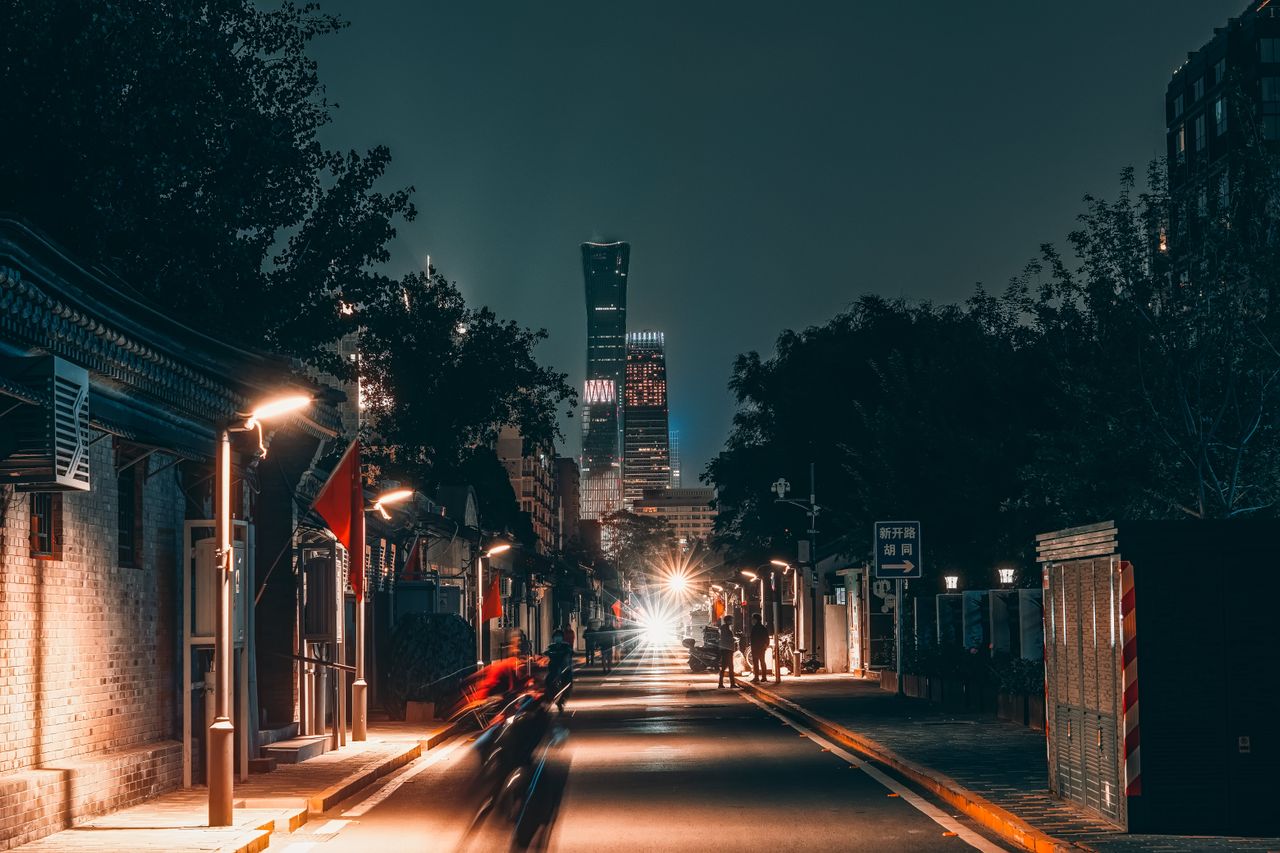 Despite the challenges, by the end of 2025 there were many people who moved from rural locations to seek opportunities in cities. According to the Economist article on the topic published May 28, there is a broader “floating population” of more than 357 million non-workers and others living outside their home city. Under these newest reforms, participation in employee social insurance, access to basic medical coverage, and the ability to purchase a home without a hukou in the specific city will become available.
Overall, hukou requirements have been easing over the past few years, especially in cities seeking workers or residents. For example, in 2022 Shanghai eased hukou restrictions for non-local graduates of top global universities to encourage more high-level talent to move there. And in May 2024, Beijing eased hukou restrictions to boost its property market. Even smaller cities have implemented reforms; for example, Nanchang launched a resident hukou sponsorship program to enhance population and economic growth.
The new guidelines mandate complete removal of hukou-based obstacles to workplace social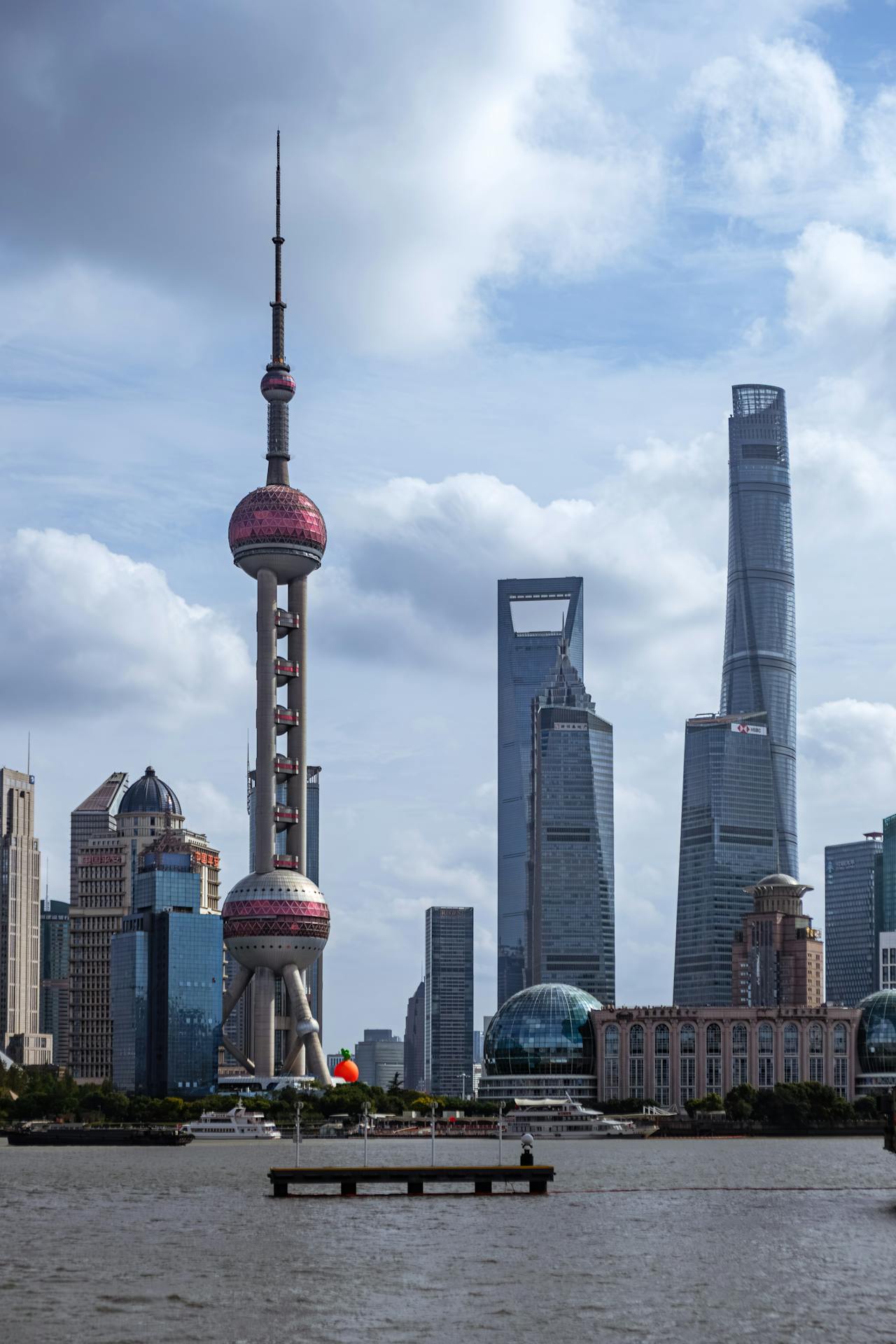 insurance, ensure basic medical coverage for those with long-term temporary residence permits, and enhance access to public schools for children of migrant families during their compulsory education years. People will also be able to buy property and access loans as the policies are eased.
Future plans include extending basic public services, such as child welfare, elderly care, social assistance, and disability support, to residents without local registration, and easing household registration restrictions.
The announced changes come from the central authorities, however implementation is at a local level. Cities with smaller populations or fewer non-registered residents may be able to implement the new rules more quickly than mega-cities like Shanghai with a larger population to enroll, implementation may take some time.