
Vietnam
Destination Overview
A Growing Economy, a Thriving Population
The country is an affordable and safe destination for tourists and expats alike. Vietnam is large enough to have several climate zones, ranging from zones with very hot/wet summers and very frigid winters in the north, to zones that are more temperate year-round.

Quick Info
- Currency: Vietnamese Dong (VND)
- Electricity: 127/220 V, 50 Hz, plug types A, C and G
- Languages: Vietnamese
- Population: 90,550,000
Housing
Like many countries, the cost of accommodations depends on where you choose to live. Expats can live fairly cheaply, but many choose to be in prime areas of the city, which come with larger price tags, but also afford many modern conveniences and more safety as well.
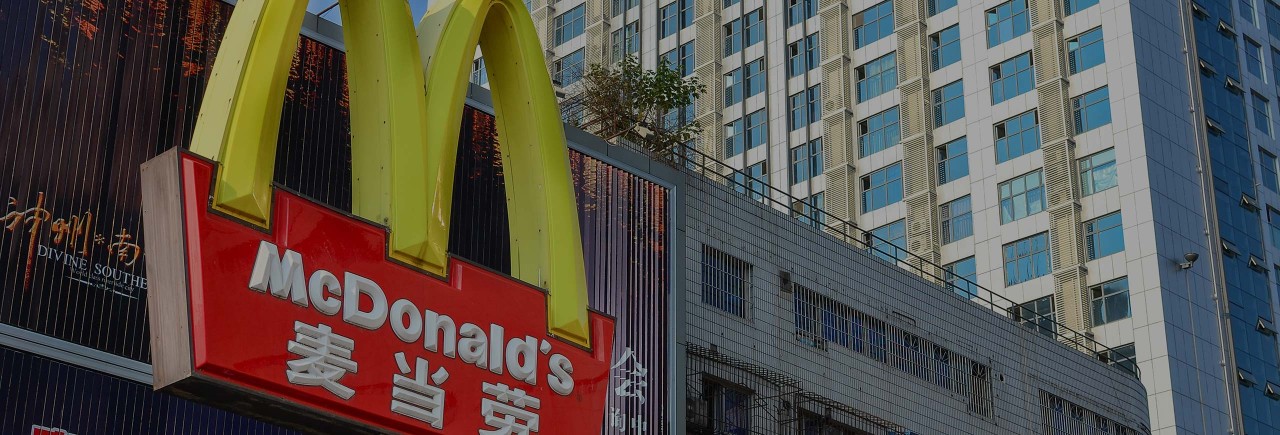
Fun Fact
The first McDonald's restaurant in Vietnam opened Feb. 8 2014 in Ho Chi Minh City. It served 400,000 customers in the first month of operation and not less than 22,500 during the first 24 hours of operation.
Schooling
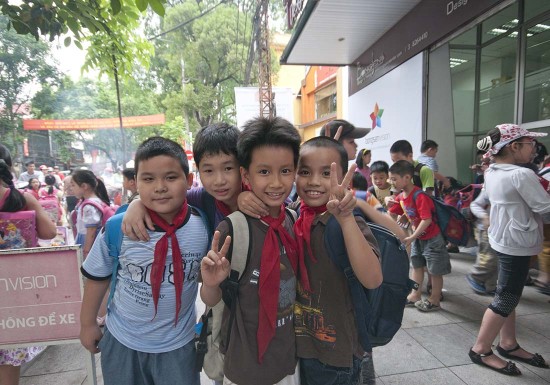
Due largely to the growing expat population, schools in Vietnam have gotten better and more plentiful over the last several years. With this growth also comes an increase in costs, but most feel that the increased fees are worth it for the international curriculum.
Are you an RMC, corporation, or individual looking to relocate to Vietnam?
Contact UsFast Facts
-

Cash or Credit
If you intend to use your foreign credit card in Vietnam, be sure to notify your home bank prior to arrival.
-

Safety
Vietnam is a relatively safe and stable country, especially for foreigners. Crime against foreigners is very low and is usually limited to petty theft or scams.
-

Water
Drinking tap water should be avoided; however, brushing your teeth and using boiled tap water to cook is normally safe.
-
Driving
It is not recommended to drive oneself in Vietnam, especially motorbikes. There are thousands of motorbike accidents every year in Vietnam with unfortunately many deaths.

James - Relocated for job assignmentIt is hard to believe that you were able to assist us with so many important things in just three days together.
We look forward to working with you.
Do you need relocation services or have questions about our services? We would love to hear from you! Feel free to contact us by completing the form, or through one of our other contact options, and we will get back to you as soon as possible.
Contact Us
Chicago
PO Box 438
Chicago, IL 60690
- +1 (312) 521-0871
- info@relonetworkasia.com
Singapore
549 East Coast Rd, #03-19
Singapore 429074
- +65 9169 9086