Overview
Population
Area
Standard time zone
Local voltage
Country code
Ethnic groups
Currency
Language
Hong Kong’s official languages are Chinese and English. Over 90% of the Hong Kong population uses Cantonese as the main spoken language for daily living conversations and local media and entertainment. English is widely used in government, businesses and higher education. Mandarin is growing importance due to mainland Chinese integration and proficiency increasing over the years especially among the younger generation. Taxi drivers may have limited foreign language skills, and a translated address card for primary destinations is recommended.
Health
Hong Kong is considered to have a very high-quality healthcare system. The city has 42 public hospitals, 11 private hospitals, and over 100 private clinics. Both Eastern and Western clinics are available. There are also some 24-hour clinics, and most hospitals offer 24-hour emergency services.
Security
Hong Kong is generally considered a safe city with low violent crime rates. Despite this, there are petty crimes, including pickpocketing. The city’s police force is well-trained and accustomed to dealing with these situations.
The typhoon season typically lasts from May to November with the peak period around Jul to September. The Hong Kong Observatory monitors the tropical cyclones all year round and using a numbered typhoon warning system (T1 to T10). A T8 or higher suspends work, schools and public transportation.
Homosexuality is legal in Hong Kong, but same-sex marriage is not recognized. Only foreign same-sex marriages are recognized.
Government Compliance
The assignee, if is staying in Hong Kong for over 180 days must obtain a Hong Kong ID Card (HKID) after arriving in the city. Everyone in the family who is older than 11 years old is required to apply for this card. Visa processing times may vary based on factors such as the type of visa and the applicant’s circumstances. Tenancy agreements must be stamped with the Inland Revenue Department (IRD) within 30 days of date of execution.
Transportation
Hong Kong has some of the world’s most efficient and developed public transport systems. It has an abundance of taxis, several MTR rail lines, buses, ferries, and trams. Octopus cards that are rechargeable for seamless payments. Driving is generally safe in Hong Kong but requires the driver to adapt to narrow and congested roads. Having a private car is usually not necessary and parking is very limited while public transportation are affordable, punctual and operate in high frequencies for the MTR and buses.
Banking
The official currency of Hong Kong is the Hong Kong Dollar (HKD), although some shops will also accept Chinese Yuan (CNY). There are over 250 licensed banks in Hong Kong. Opening a bank account typically require the HKID, company letter to certify local employment, proof of local residence address as well as indicating their Tax Identification Number (TIN).
Housing
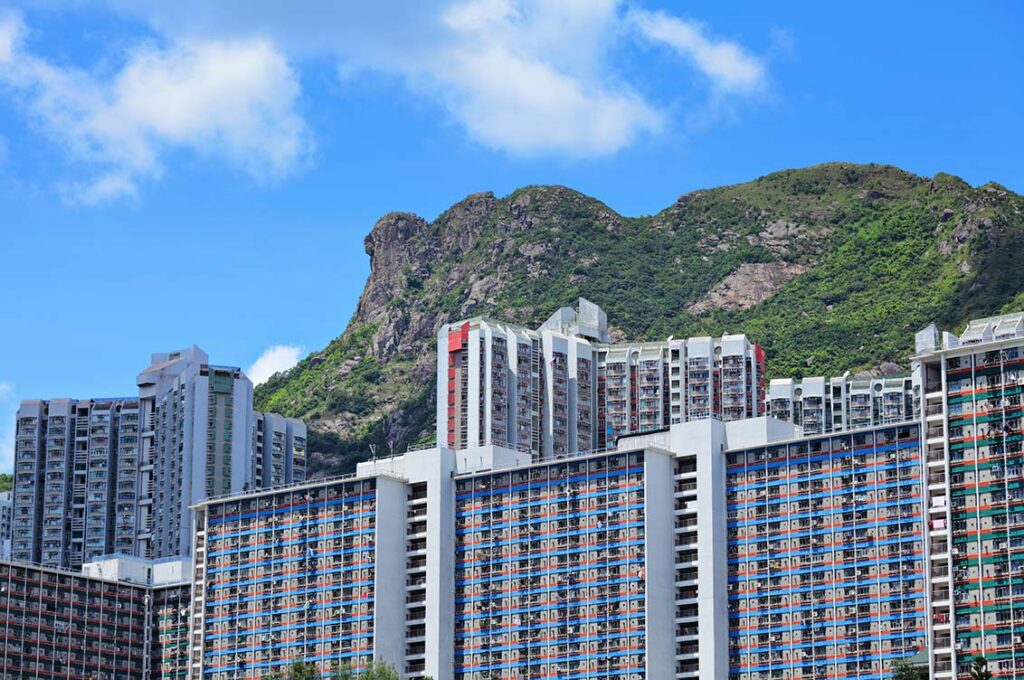
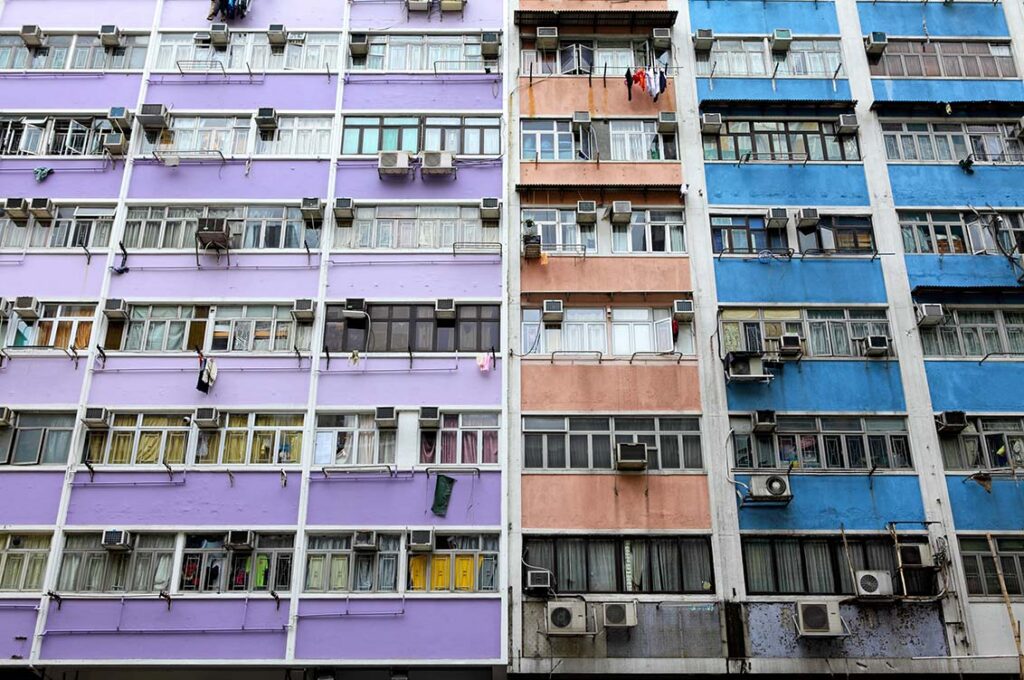
The cost of living in Hong Kong can be high—listed 6th overall in the Mercer’s 2013 Cost of Living report, the property market in Hong Kong is extremely overinflated, which makes finding accommodation an expensive endeavor from the beginning.
Lease Term / Condition
Typical lease period
Security deposit
Agent fees
Diplomatic clauses /termination
Types of leases
Rental payment cycle
Utilities
Furnishings

Education Overview
The education system in Hong Kong is divided into three main types of schools: government, subsidized and private international schools. International schools are qualified for expats, and there are many options available. Space is extremely limited, and competition is fierce. It is recommended to begin the application process as early as possible. American and British curricula are the most common ones offered in international schools.
Recent Resources

Who Tops the Asian Cities Internationality Index 2026
The Asian Cities Internationality Index 2026 (ACII) highlights a growing reality: the most competitive cities[…]

Updated Asia Situation Update
We are pleased to share the latest Asia Situation Update. This quarter, we feature one[…]

Hong Kong Housing Myths Impacting Relocation
Our team has noticed a trend: a popular assumption that Hong Kong is empty. Well,[…]
Country Guides