
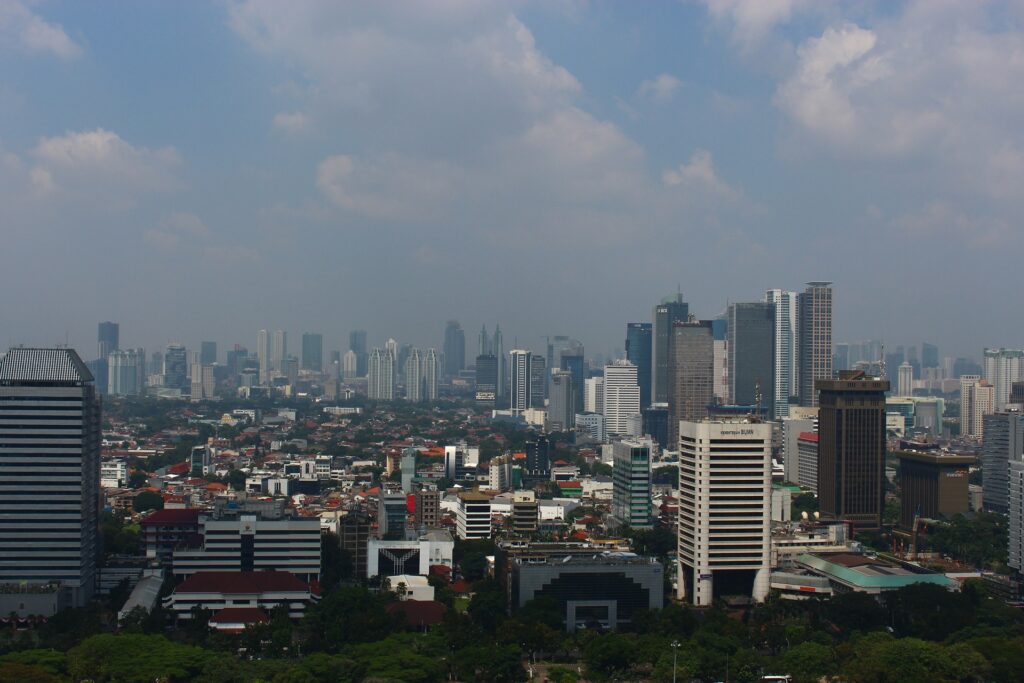
The United Nations’ World Urbanization Prospects 2025: Summary of Results has reshaped global urban rankings: Jakarta is now the world’s most populous capital city, with an estimated 42 million residents.
This milestone is more than a statistic. It reflects a decade of rapid urban expansion and a shift in methodology. The UN now uses a standardized definition of ‘city,’ incorporating the entire metropolitan footprint rather than just the city proper. This change dramatically elevates Jakarta’s ranking compared to previous estimates.
Key Implications for Companies Managing Employee Mobility in Asia
- Housing and Infrastructure Pressure — Jakarta’s scale means intense demand for housing, transportation, and public services. For relocating employees, expect: higher rental costs, longer commutes, and increased competition for quality housing and amenities.
- Need for Tailored Mobility Solutions — Relocating staff to megacities requires specialized support: neighborhood and school guidance, commute planning, and lengthened timelines.
- Urban Resilience Risks — Rapid growth brings challenges—traffic congestion, pollution, and strained public services. Companies should plan for flexibility, including remote work options and quality-of-life support.
- Shifting Regional Talent Hubs — Jakarta’s rise, alongside emerging giants like Dhaka and Shanghai, signals a shift in Asia’s business and talent centers. Strategic workforce planning must account for these dynamics.
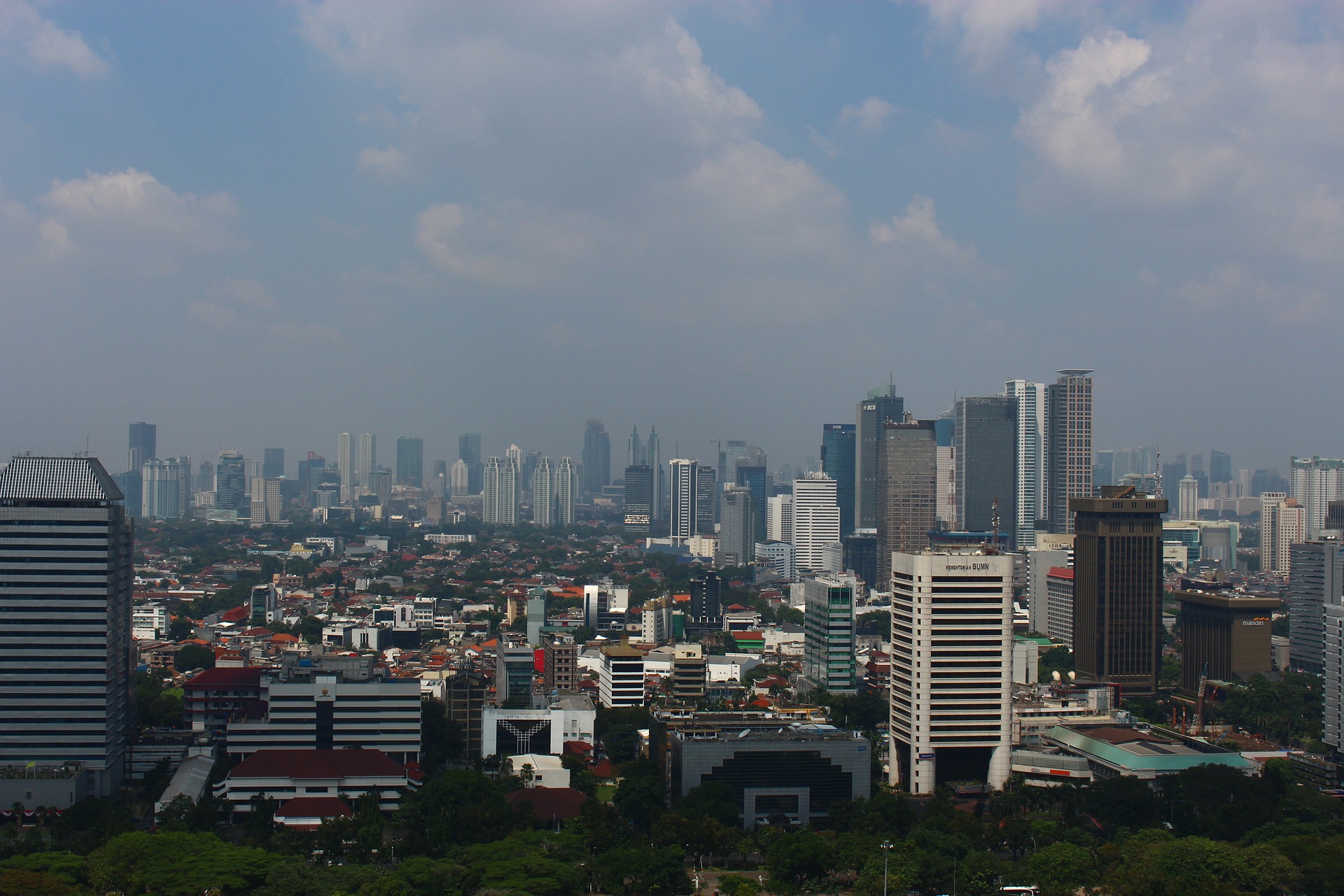
Jakarta provides excellent access to labor, markets, and a vibrant culture, making it ideal for companies with regional operations and expansion in Asia. As rapid growth continues, logistical challenges also emerge. Increasing traffic, housing shortages, and limited availability at international schools all affect the lives of assignees in the new location and, unfortunately, take time to resolve.
Jakarta may be in the spotlight today, but other cities in Asia are also experiencing rapid growth. Shanghai, for example, is projected to be one of the fastest-growing cities through 2050, making it necessary to develop flexible relocation strategies.
Successful strategies will combine data-driven planning, flexibility, and human-centric support—from housing and commute solutions to cultural onboarding and strong partner on the ground to monitor current urban pressures.



