Overview
Population
Area
Standard time zone
Local voltage
Country code
Ethnic groups
Currency
Language
Singapore has four official and equal languages: Malay, Chinese, Tamil, and English. Malay is the common language and national language, with English being the most widely spoken. English is the medium of education in local government schools. All government signs are in English, with Mandarin and other languages included.
Health
Singapore is home to one of the best healthcare systems in the world. Medical personnel are well-qualified at both government and private hospitals, and facilities are state-of-the-art. English is spoken in all facilities. 24-hour emergency access is available in all hospitals. Charges for foreigners apply at both government and private hospitals. It is recommended to have medical insurance, as the cost of treatment can be expensive.
Security
Singapore has a remarkably low crime rate and is one of the safest cities in the world. Most crimes reported in Singapore are opportunistic and non-violent. It is recommended for assignees and family members to learn local laws. Singapore has some unique laws with penalties for violations that can be much more severe than in other countries. Vaping and e-cigarettes are banned in Singapore and possession carries strict penalties and fines.
Homosexuality is legal in Singapore, but same-sex marriage is not recognized.
Government Compliance
Beyond the Visa, there are no further local registration requirements. Visa processing times for an online application average three weeks. Processing is usually efficient, but approval timelines may vary. An application can be completed either before or after arrival in Singapore.
Transportation
Public transportation in Singapore is world-class, clean, fast, and efficient. The government regulates car ownership in Singapore, which remains one of the most expensive countries in the world to own a car. Car leasing is common, straightforward and a good choice for assignees. Driving can still be expensive and in a battle to address congestion, Singapore has instituted Electronic Road Pricing, which varies in price based on the time of day.
Banking
A passport, company letter and physical Employment Pass (EP) will be required to open a bank account. The EP is required in most cases apart from a limited number of banks which accept the In-Principal Approval (IPA) Letter in lieu of the physical EP card. The account opening process is usually completed online and will take approximately 5 business days, depending on whether the bank requires additional documentation.
Housing
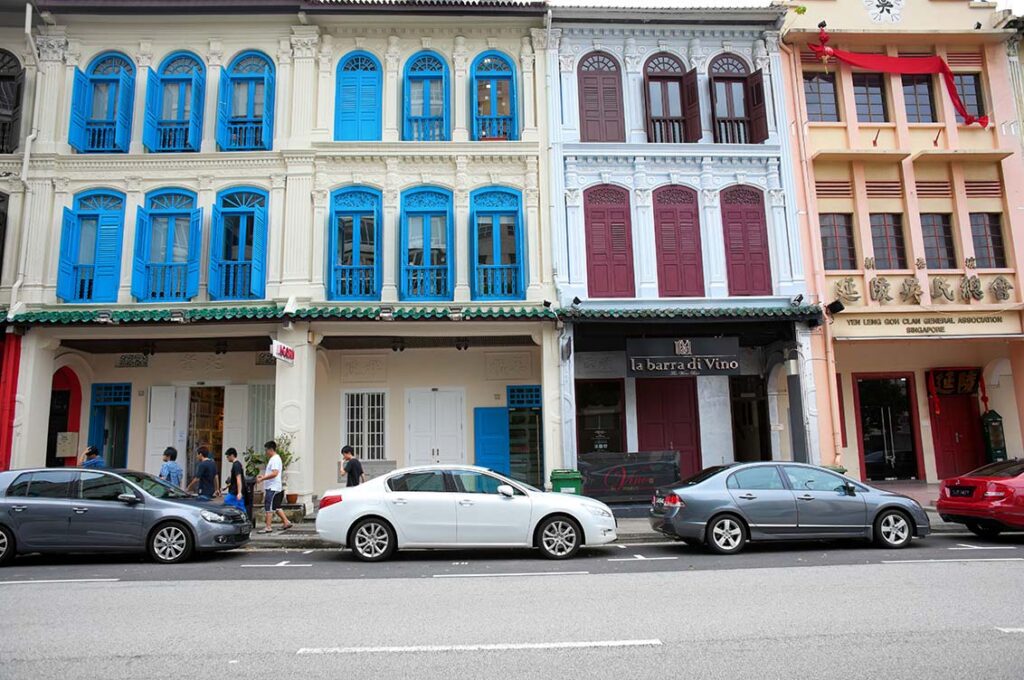
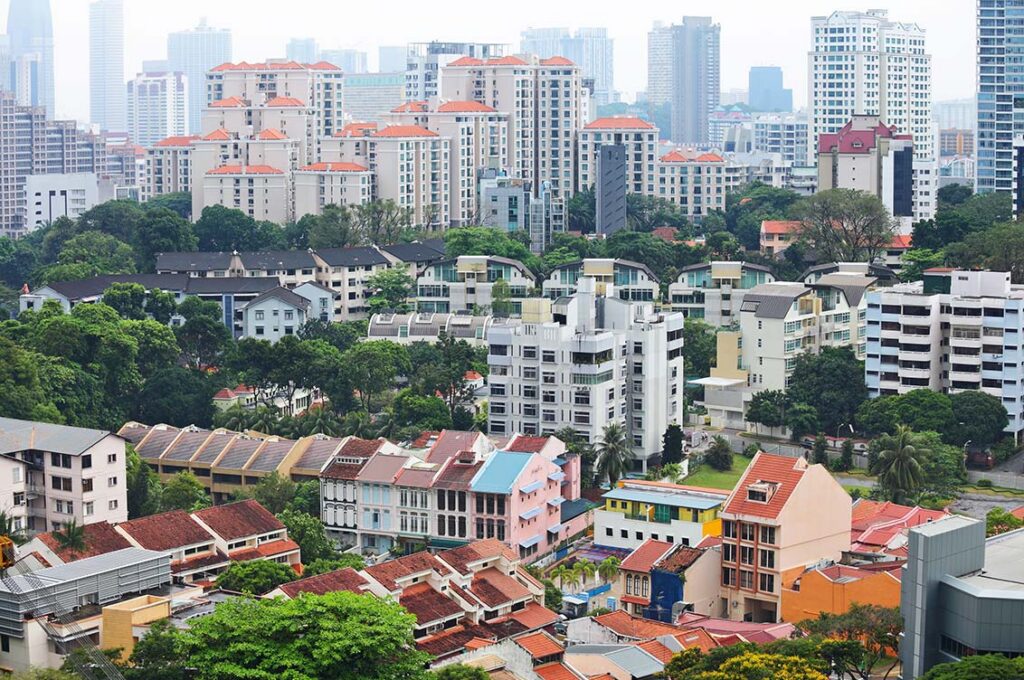
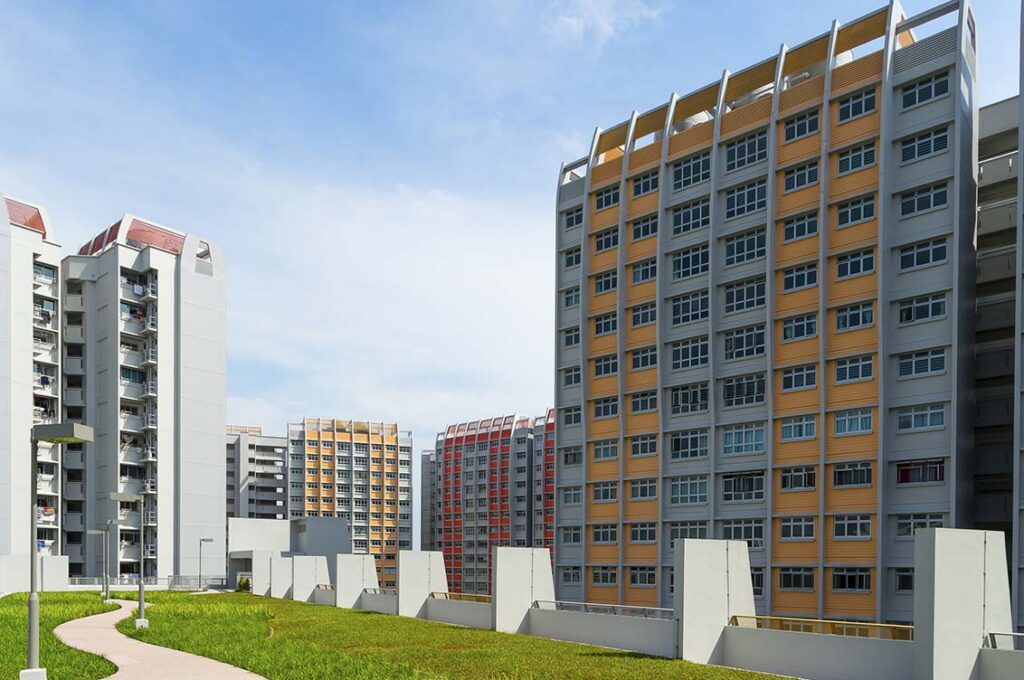
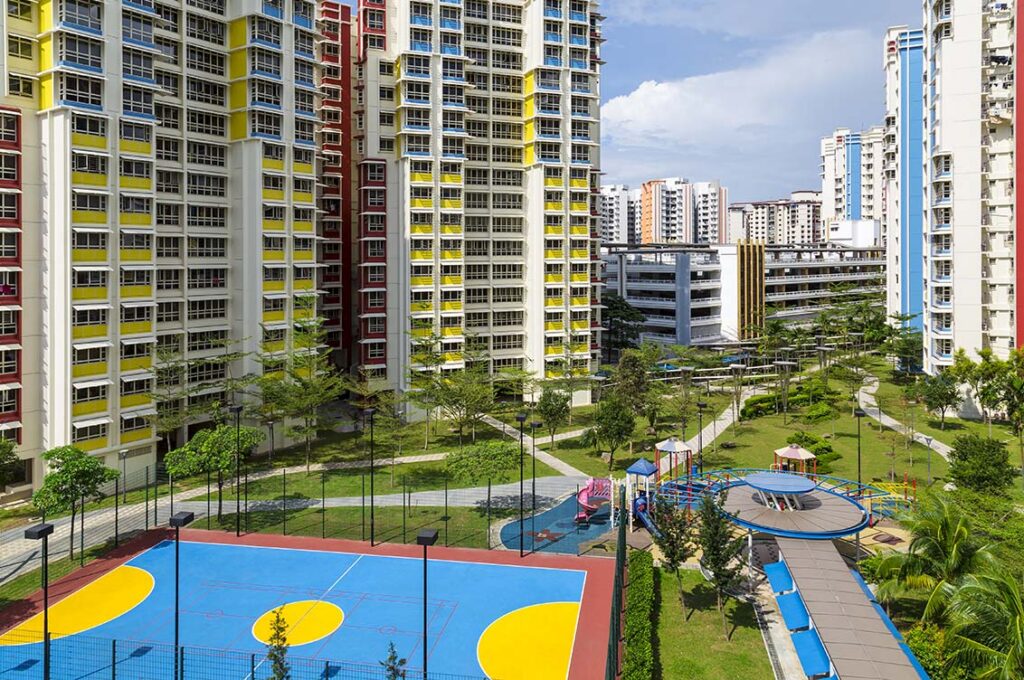
The real estate market in Singapore legally favors the Landlord. Depending on the level of demand in the rental property market, there is not much room for negotiation regarding price. To lease property in Singapore, it is mandatory to have an approved Employment Pass (preliminarily, an IPA Letter will suffice). Dishwashers, kitchen hot water and automated garbage disposals are uncommon in Singapore.
Lease Term / Condition
Typical lease period
Security deposit
Agent fees
Diplomatic clauses /termination
Types of leases
Rental payment cycle
Utilities
Furnishings
Education Overview
Many excellent international schools in Singapore offer various IB, IGCSE, and American curricula. There is competition for places at top-tier international schools and early application is advised. Most Singaporeans must attend local schools where places for foreigners are extremely limited. Local school Primary grade 1 applications are via the Phase 3 application process, whilst all other grades require a standardized entrance test, the Admissions Exercise for International Students (AEIS). Families must have a backup school plan if applying to a local school.
Recent Resources

Five of Asia’s Safest Countries for Expats Are Relo Network Asia Destinations
For companies expanding across Asia and professionals considering an international assignment, safety remains one of[…]

Hong Kong’s Expat Comeback
expatriates return to hong kong in record numbers

Who Tops the Asian Cities Internationality Index 2026
The Asian Cities Internationality Index 2026 (ACII) highlights a growing reality: the most competitive cities[…]

Jakarta Security and Operational Advisory 28 August 2026
Situation Overview Demonstrations took place around the Indonesian Parliament complex in Senayan, Central Jakarta, on[…]
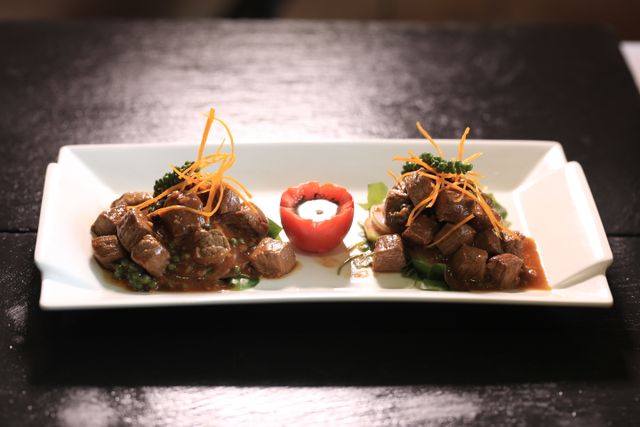
Taste of Cambodia 2026 Showcases the Country’s Growing Culinary Reputation
Cambodia’s food and beverage scene will take center stage from 10 to 13 September 2026[…]
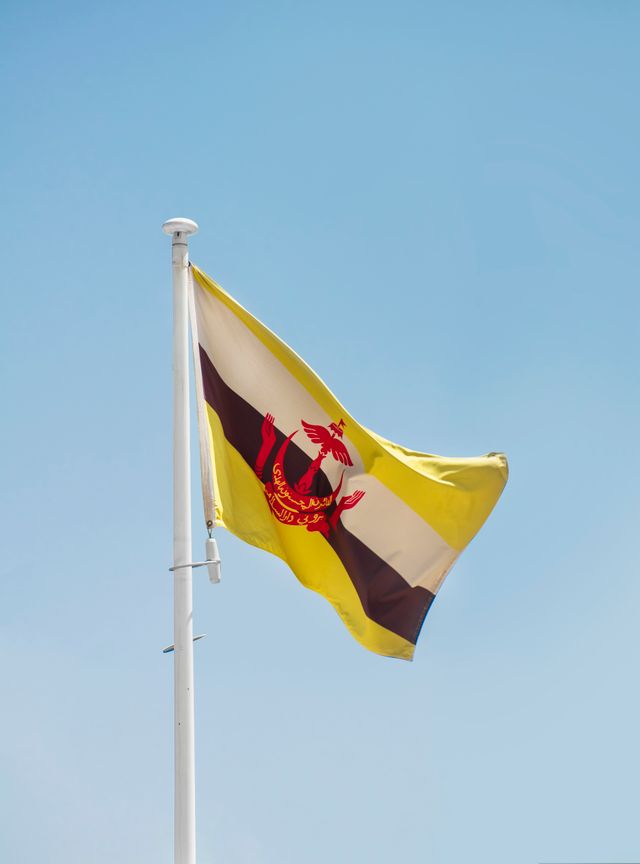
Brunei Steps Up Immigration Enforcement: Key Lessons for Employers and Foreign Workers
Brunei’s Immigration and National Registration Department (INRD) has intensified immigration enforcement activities across the country,[…]

Featured Destination: Malayasia
There are multiple reasons why Malaysia is a focus for mobility. We have highlighted Malaysia[…]

Updated Asia Situation Update
We are pleased to share the latest Asia Situation Update. This quarter, we feature one[…]

Japan Visa and Residence Fee Increases: Impact on Immigration and Corporate Mobility
Japan is implementing major increases in immigration fees in 2026. On July 1, 2026, visa[…]
Country Guides