Overview
Population
Area
Standard time zone
Local voltage
Country code
Ethnic groups
Currency
Language
Myanmar’s official language is Burmese, but hundreds of other dialects are spoken by local ethnic groups. English is taught as a second language in Myanmar schools from kindergarten through primary and secondary school. Most signage will appear only in Burmese.
Health
The private healthcare system offers overall good facilities and medical staff but still requires upgrading. Assignees should visit only private facilities and are recommended to acquire international health and emergency medical evacuation insurance. Tropical diseases are a risk and insect repellent is necessary to avoid common mosquito-borne diseases such as malaria and dengue fever.
Tap water is not safe to drink, and boiling water before drinking or cooking is recommended.
Security
Myanmar has faced political turmoil and civil unrest since a military coup in February 2021, which has led to widespread human rights violations and safety concerns. Services and goods are limited and often delayed, particularly in high-risk locations. Due to ongoing instability, many countries advise against non-essential travel to Myanmar, and relocating there is not recommended. If necessary, engaging a private security company is advised.
Homosexuality is illegal and same-sex marriage is not recognized.
Since the military coup in February 2021, Myanmar’s security situation has significantly deteriorated. Ongoing armed conflict, civil unrest, and weakened law enforcement have increased safety risks across the country, including in major cities such as Yangon. Crime levels have risen, checkpoints and curfews are common, and travel disruptions, internet outages and sudden security incidents can occur without warning. Overall, the security environment is far more unstable and unpredictable than before the coup.
Government Compliance
Visa requirements and restrictions may fluctuate in the midst of the ongoing civil unrest. The visa process can be lengthy and complicated, with requirements varying depending on the type of visa and length of stay. It is important to consult with an immigration specialist for the latest information on visa requirements.
Transportation
It is common for assignees to lease a car with a driver for their stay. Roads in Myanmar are poorly maintained, and only half are paved. Potholes are frequently large and left uncovered, creating challenges for drivers and pedestrians alike. Public transportation is available but challenging due to the language barrier and is not recommended due to the current civil unrest.
Banking
The official currency in Myanmar is the Myanmar Kyat, abbreviated as MMK. Receiving funds from overseas takes time and can be costly as Myanmar banks use intermediary banks. Bank account opening times may vary.
Housing
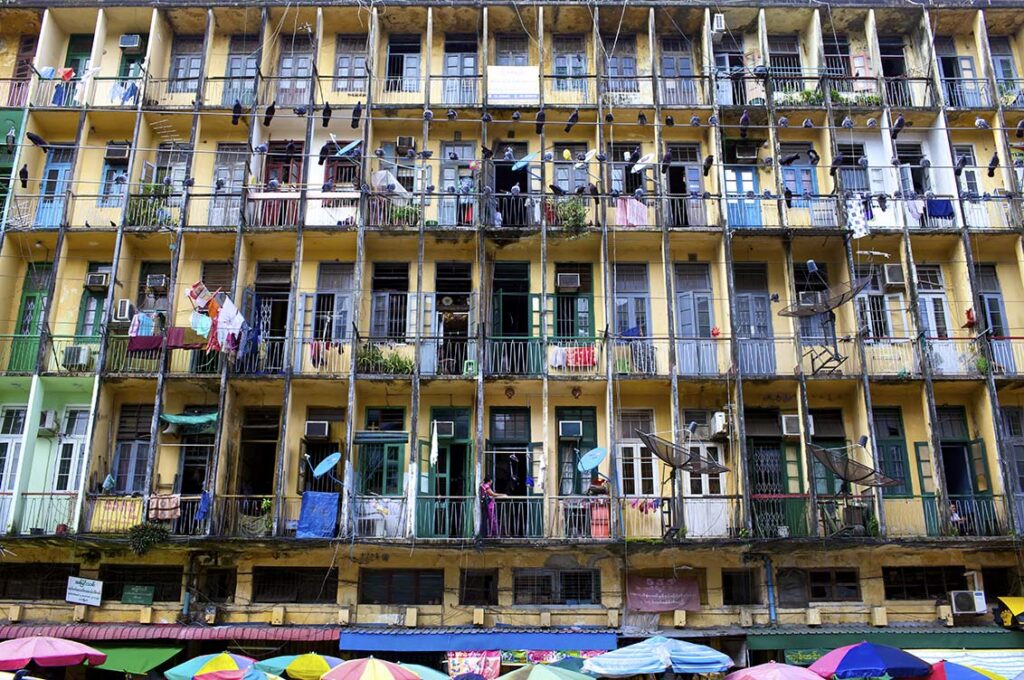
Most singles stay in serviced apartments. If renting through a private Landlord, several issues may arise. In Myanmar, anyone can be a real estate broker, and the market is not yet regulated. Rents are usually paid upfront. This leads to the risk of the landlords becoming unresponsive to any subsequent issues.
Lease Term / Condition
Typical lease period
Security deposit
Agent fees
Diplomatic clauses /termination
Types of leases
Rental payment cycle
Utilities
Furnishings
Education Overview
Foreigners are not allowed to attend local schools due to language barriers and high school fees subsidized by the government. Expats will need to send their children to international schools. There are several international schools in Myanmar clustered in Yangon and Mandalay. Schools tend to have limited space, and applications can be competitive since local children can also attend. Top international schools may be reluctant to accept students who are joining mid-term. Preference may be given to students based on nationality.
Recent Resources

Updated Asia Situation Update
We are pleased to share the latest Asia Situation Update. This quarter, we feature one[…]

Special Report: Iran War’s Impact on Asia Talent Mobility
Asia is already feeling the ripple effects of the war in Iran—and the implications[…]

What’s in Store for 2026?
As organizations prepare for the upcoming year, the global mobility landscape continues to evolve rapidly.[…]
Country Guides