Overview
Population
Area
Standard time zone
Local voltage
Country code
Ethnic groups
Currency
Language
The Philippines has two official languages: Filipino (Tagalog) and English. In addition to these, around 30 regional languages and approximately 190 dialects are spoken across the country, depending on the classification used.
Health
The Philippines has several public and private hospitals in almost every major city. The quality of care is generally good, and these facilities can be trusted for basic medical treatments and procedures. Hospitals are usually well-equipped and staffed by well-trained doctors and nurses.
International health insurance is recommended, including evacuation coverage to destinations such as Singapore, Hong Kong, or Bangkok. Tap water is not safe to drink, so use bottled or boiled water.
Security
The Philippines experiences natural disasters such as volcanic eruptions, earthquakes, seaquakes, and tsunamis. Tropical diseases such as malaria and dengue fever are also prevalent.
Both petty and, on occasion, violent crime can occur, particularly in major metropolitan areas such as Metro Manila. Drunk driving is an issue and is closely monitored.
Homosexuality is legal, but same-sex marriage is not recognized.
Government Compliance
An ACR I-Card is required for foreign nationals who have been in the country for more than 59 days. It can be used as a re-entry permit and is also required to open a bank account.
Visa processing times for a typical case average three to four months, but they may take longer depending on the visa type and other circumstances.
Transportation
Public transportation is often overcrowded and unreliable. Taxis are one of the best ways to get around, but only marked taxis with a working meter should be used. Grab can be an even safer option.
Major cities have severe traffic congestion, and driving laws are loosely followed. Leasing a car with a driver is recommended.
Banking
The official currency of the Philippines is the Philippine Peso (PHP). There are many banking options available. It is recommended to avoid smaller rural banks.
An ACR I-Card is required to open a bank account, so the process can be lengthy and may take 4–6 months.
Housing
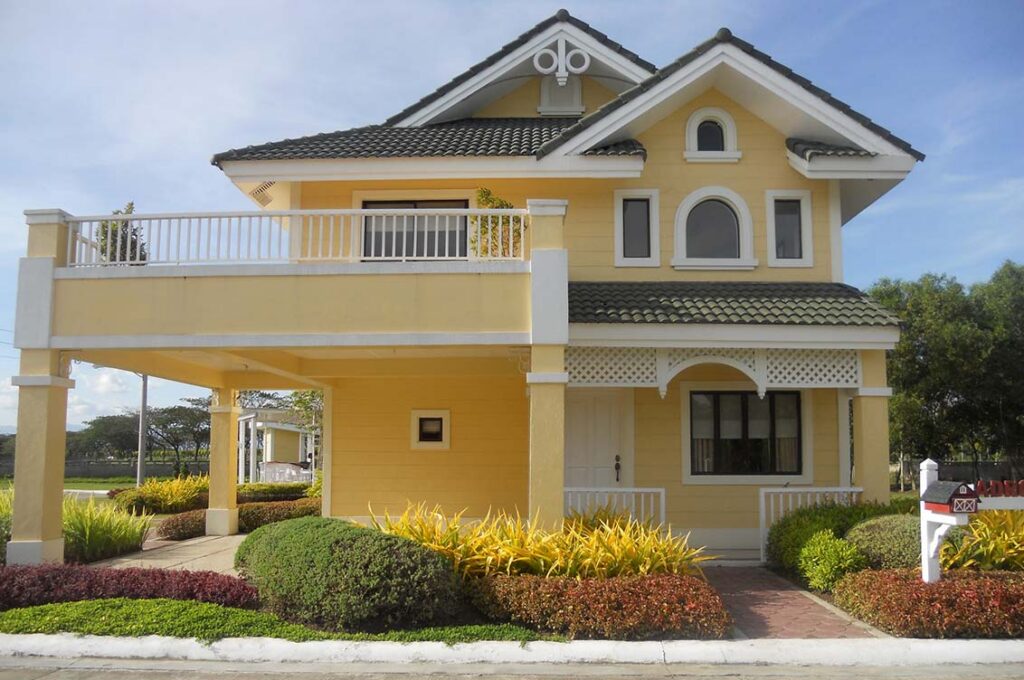
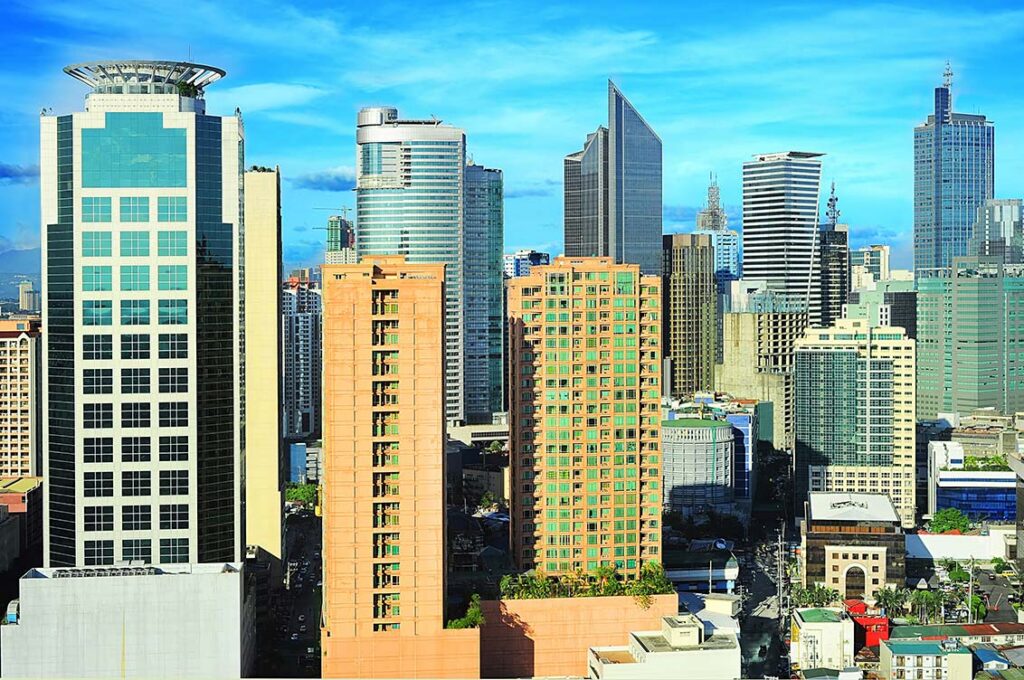
It is relatively straightforward to find housing in the Philippines. As in any major city, petty crime can be a concern. Choosing a home in a secure, gated community or a secure condominium is an important consideration for many expats.
Lease Term / Condition
Typical lease period
Security deposit
Agent fees
Diplomatic clauses /termination
Types of leases
Rental payment cycle
Utilities
Furnishings
Renewal / termination notice
Education Overview
Expats almost exclusively choose international schools for their children. While attending local schools is not prohibited, international schools generally offer better facilities, more extracurricular options, an international student population, and no classes conducted in Filipino (unless taken as an elective).
Space is limited at popular schools, so applications should begin as early as possible in the relocation process.
Recent Resources

Updated Asia Situation Update
We are pleased to share the latest Asia Situation Update. This quarter, we feature one[…]
What Asia’s Current Corporate Movement Indicates for Talent Mobility
A notable shift is underway in Southeast Asia as multinational companies increasingly move portions of[…]

Special Report: Iran War’s Impact on Asia Talent Mobility
Asia is already feeling the ripple effects of the war in Iran—and the implications[…]
Country Guides