Overview
Population
Area
Standard time zone
Local voltage
Country code
Ethnic groups
Currency
Language
Macau has two official languages: Chinese and Portuguese. Cantonese is the dominant language while Mandarin is increasing over the years, English is mainly for business and tourism and Portuguese is limited in usage. Government signs are generally posted in English, traditional Chinese and Portuguese.
Health
Macau has a limited selection of hospitals; however, its facilities are high-quality and employ well-trained doctors and nurses. There is one main public hospital, three major private hospitals and several smaller private clinics or health centers. Most of these health centers offer services in both Chinese and English (and sometimes other languages). It offers free healthcare at public facilities for residents who hold Macau ID cards or may come at a fee for some services for foreigners. Evacuations for medical treatment in Hong Kong are common, and obtaining medical insurance coverage for treatment in both cities and evacuation coverage is recommended.
Security
Macau is generally safe with low crime rates. However, pick-pocketing and other petty crimes could occur in crowded areas. While Macau is perceived as relatively safe, travelers are advised to exercise caution and remain aware of their surroundings. Crimes can be reported to one of the many police stations or reporting centers located throughout the city.
Homosexuality is legal, while same-sex marriage is not legal.
Government Compliance
Non-resident workers must obtain an official ID Card, or known as the Blue Card to allow the foreigners to live and work in Macau legally.
Transportation
Macau’s public transport systems are well-developed and offer services within and between Macau and neighboring territories (Hong Kong and Mainland China). A Macau Pass can be purchased easily for discounted and contactless payment for public transportation. Traffic congestion is expected when driving in Macau. Parking is also difficult to find in the city. Due to the availability and efficiency of the public transport system, buses, taxis and the Macau Light Rapid Transit Taipa Line, private transport is generally not recommended for daily commute for expats living in Macau.
Banking
The official currency of Macau is the Macanese Pataca (abbreviated as MOP); however, Hong Kong Dollars (HKD) are also accepted throughout the city. Opening an account requires valid identity supporting documents such as the passport, non-resident’s worker’s card (blue card), letter to certify local employment, proof of local residential address and Tax Identification Number (TIN). The assignee should arrive at the bank in person with the proper documents and specify which type of account they wish to open. Requesting mobile and internet banking is necessary as these are not automatically provided.
Housing
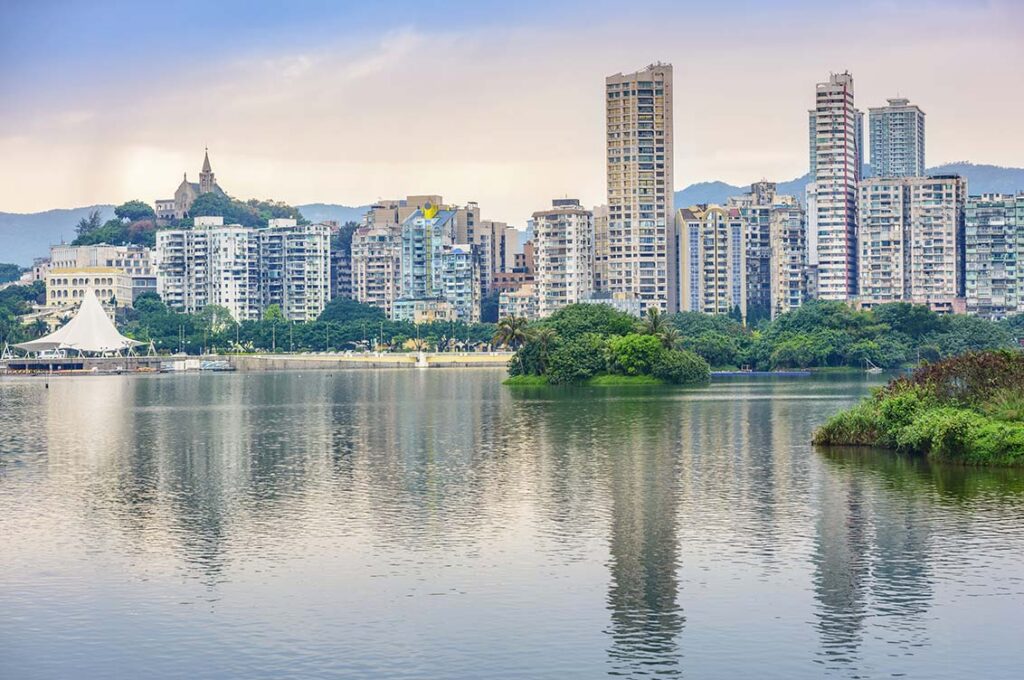
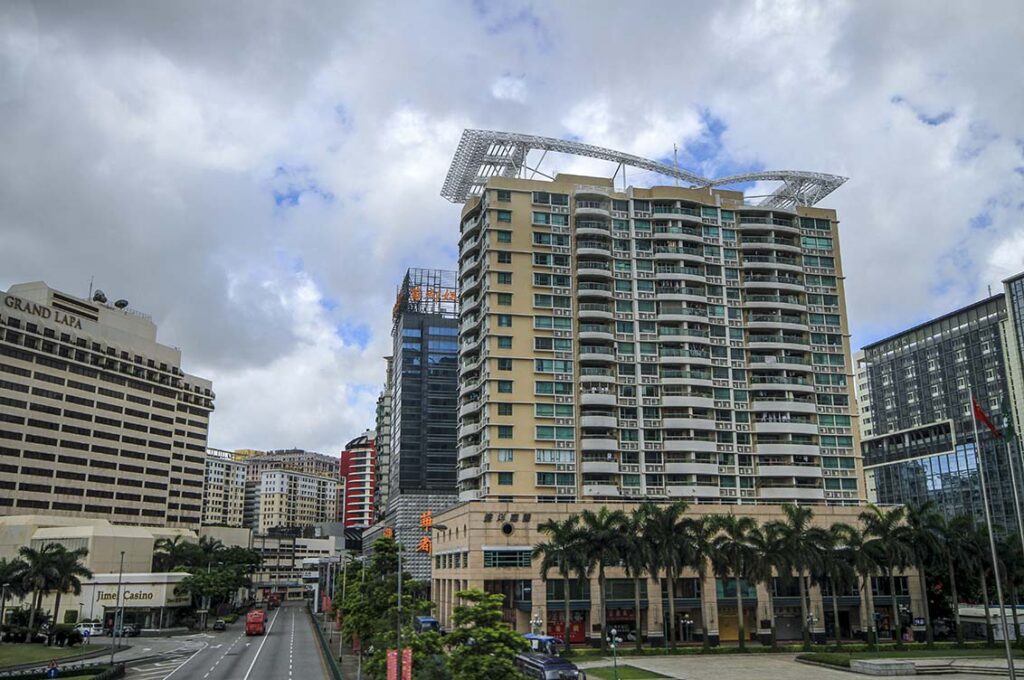
There are 3 main areas of Macau where expats traditionally find housing: Macau City, Taipa, and Coloane. Properties in Macau are expensive and preparing 4 months’ rent upfront is recommended. There are limited options for temporary, serviced apartments.
Lease Term / Condition
Typical lease period
Security deposit
Agent fees
Diplomatic clauses /termination
Types of leases
Rental payment cycle
Utilities
Furnishings
Education Overview
The majority of schools in Macau offer both Cantonese and English education and either Cantonese or English is the main medium at the primary and secondary levels while English is almost used exclusively at the tertiary level and in international schools.
Schools in Macau are mostly private, including a few international schools and a limited number of public schools. The international campuses offer globally recognized curricular, have impressive facilities and good track records of their graduates in securing places in top universities, locally or overseas. In Macau, during the local child’s age of admission to attend schools, the local public schools, private schools and international schools are available for selection based on preferences before a school placement is allocated to the child. As a result, international students will be competing with local students for a placement in the international schools making their enrolment process challenging to secure a place.
Recent Resources

Updated Asia Situation Update
We are pleased to share the latest Asia Situation Update. This quarter, we feature one[…]

Special Report: Iran War’s Impact on Asia Talent Mobility
Asia is already feeling the ripple effects of the war in Iran—and the implications[…]

What’s in Store for 2026?
As organizations prepare for the upcoming year, the global mobility landscape continues to evolve rapidly.[…]
Country Guides